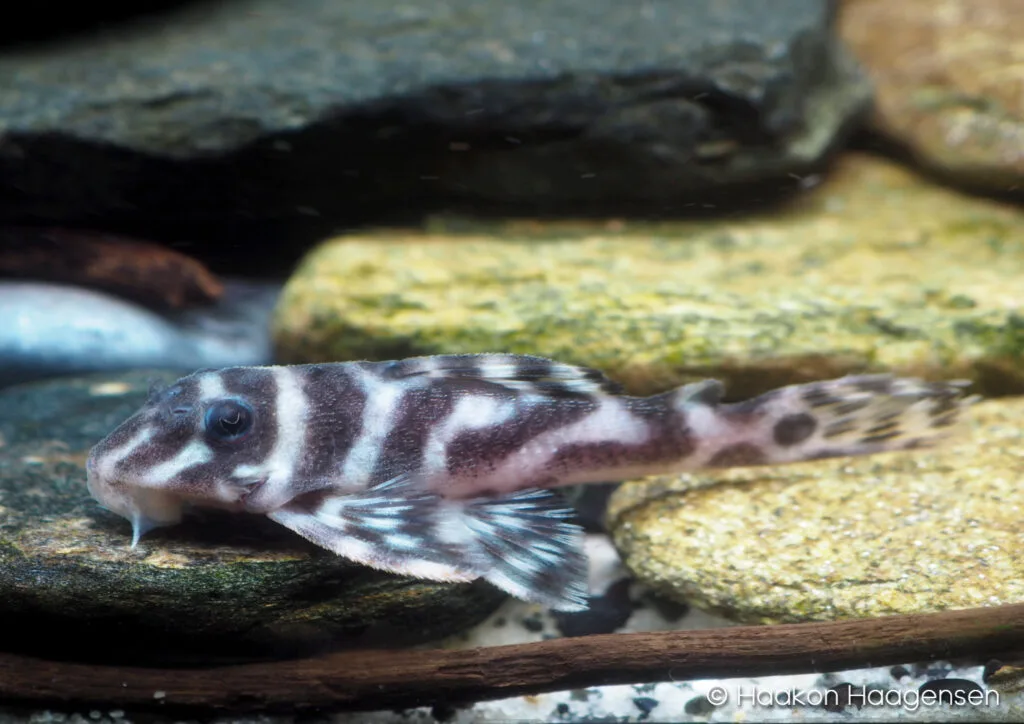
It’s been over 20 years since the term “Mimic” was a topic between Swedish catfish-guru Janne Ekström and I. We realised the extraordinary diversity within the Hypancistrus forms of Rio Xingu, Brazil meant there were some secrets yet to be unfolded. The lower Xingu, from Altamira to Porto do Moz, is home to what we now know as Hypancistrus seideli (Sousa, Sousa, Ribeiro, Sabaj, Zuanon & Py-Daniel, 2025), known through several L-numbers like L66, L236, L333 and the cluster of similar forms labeled L287 / L345 / L399 / L400. The many labels underline the variable appearance of the species. The recent scientific description reveals how they are all variations of the same species.
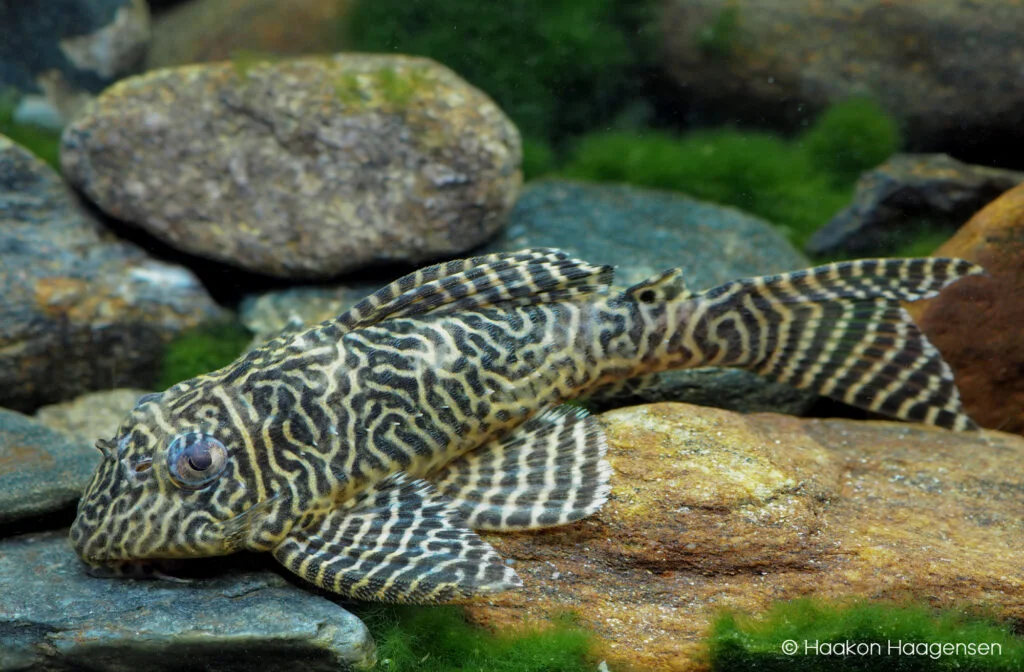
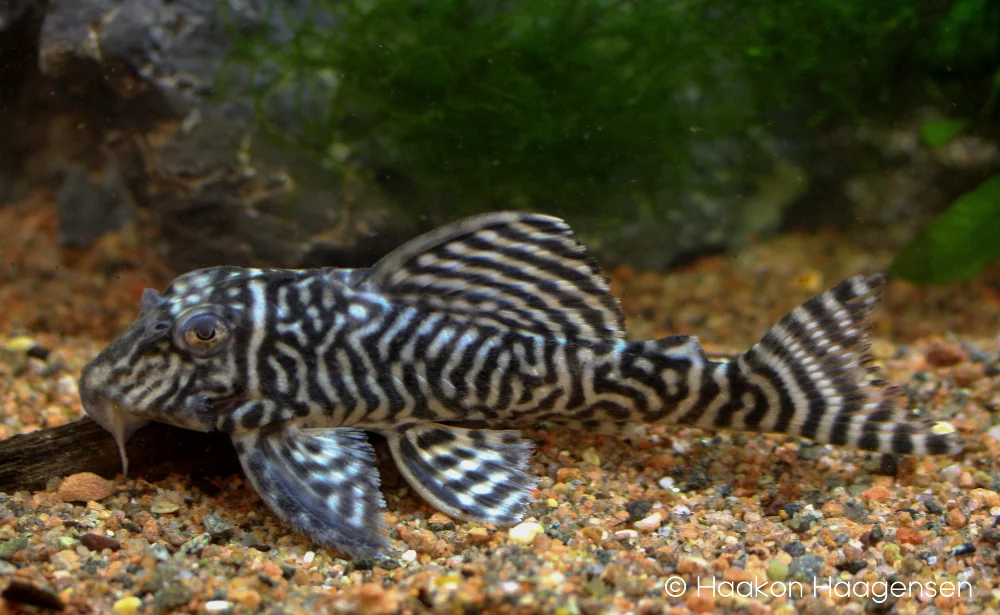
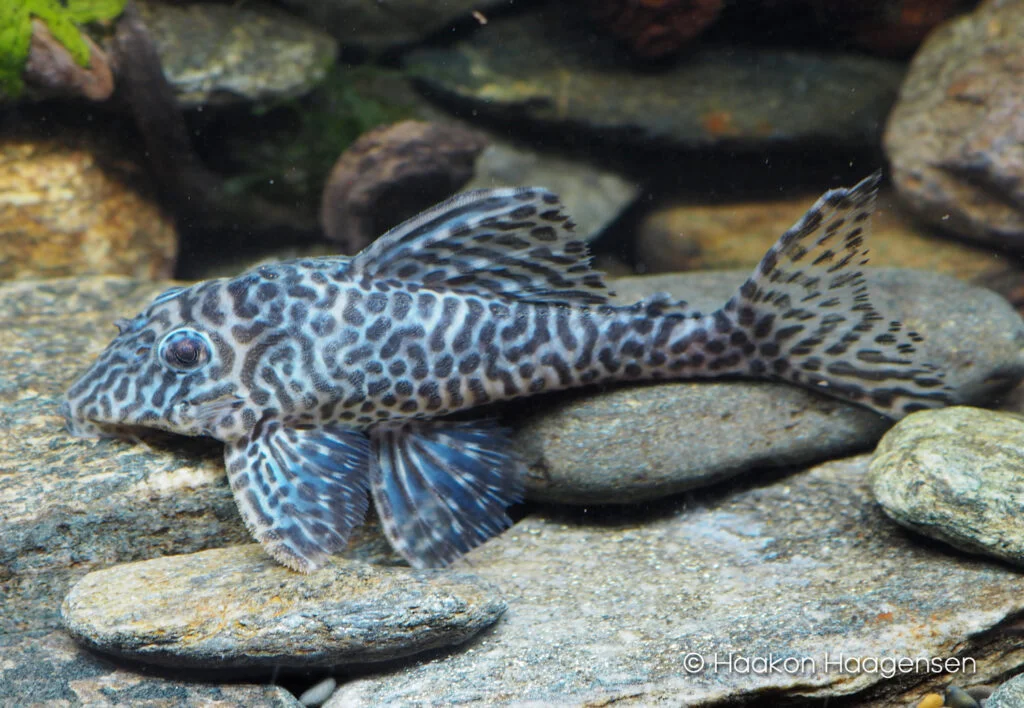
Then there’s H.yudja (Sousa, Sousa, Ribeiro, Sabaj, Zuanon & Py-Daniel, 2025), a smaller species adapted to life in deep pools of the river. From an evolutionary standpoint, it’s tempting to think H.yudja is a further adaptation from a common ancestor shared by both species. There’s no doubt H.seideli and H.yudja are very closely related.
There have been many theories floating around trying to explain the high diversity of Hypancistrus in Rio Xingu. Odd forms like L173, resembling a H.zebra with some traits from H.seideli, are still not fully understood. Now that we know how variable H.seideli is, we are closer to understanding the Hypancistrus situation in the river. A question which until recently remained though, was the topic of crossbreeding: Do the various forms (and species) of Hypancistrus crossbreed in the river? For many enthusiasts, this has been the answer to why we have seen such a great variation.
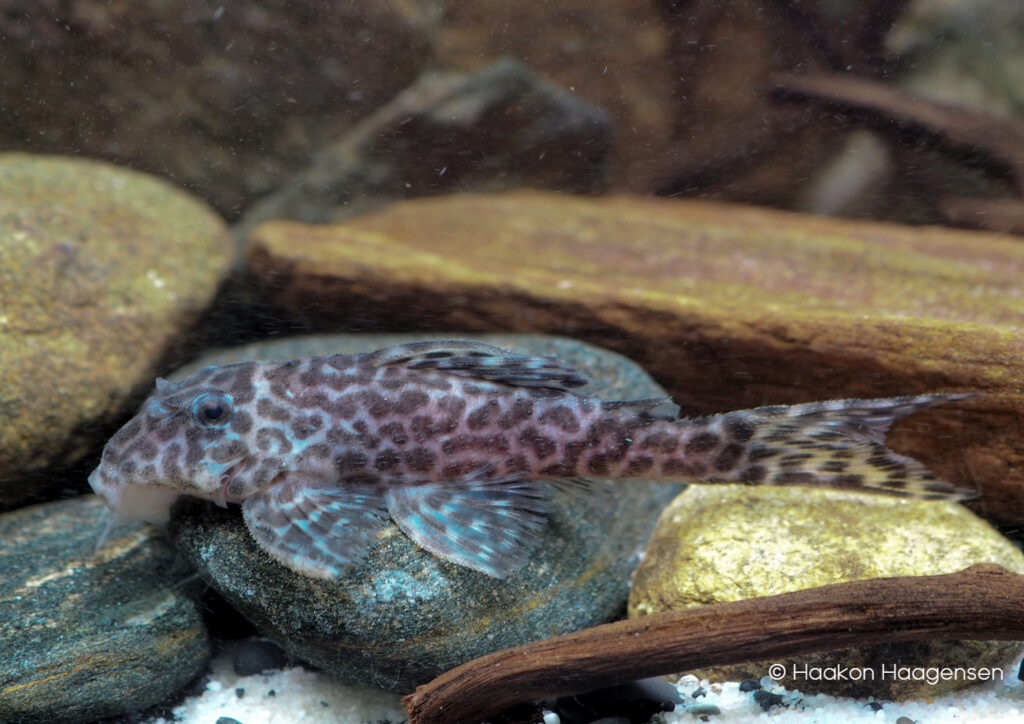
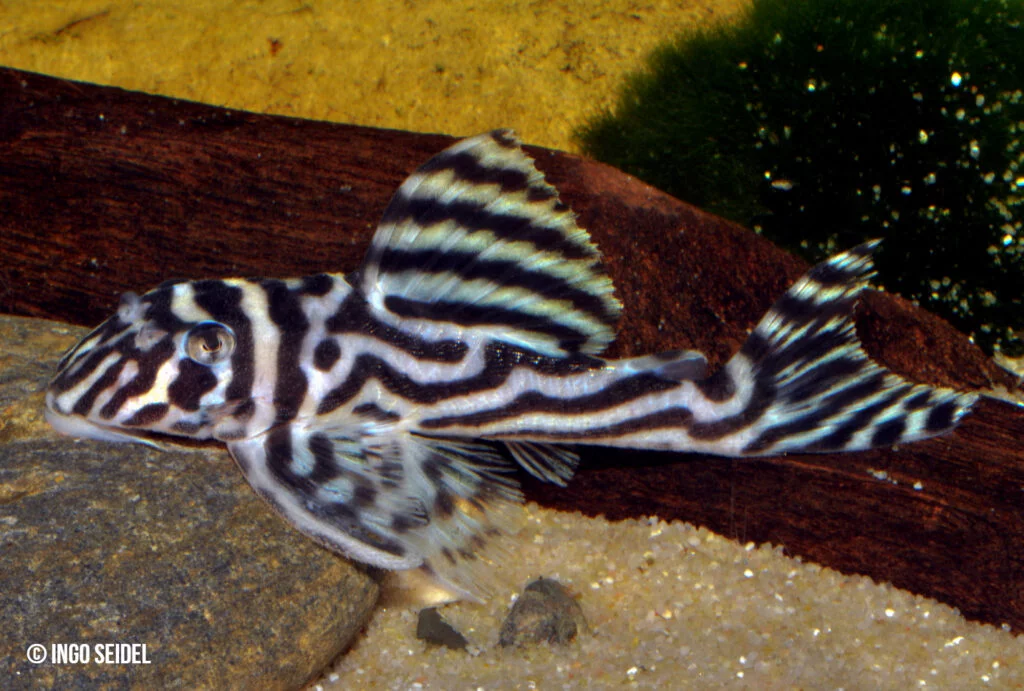
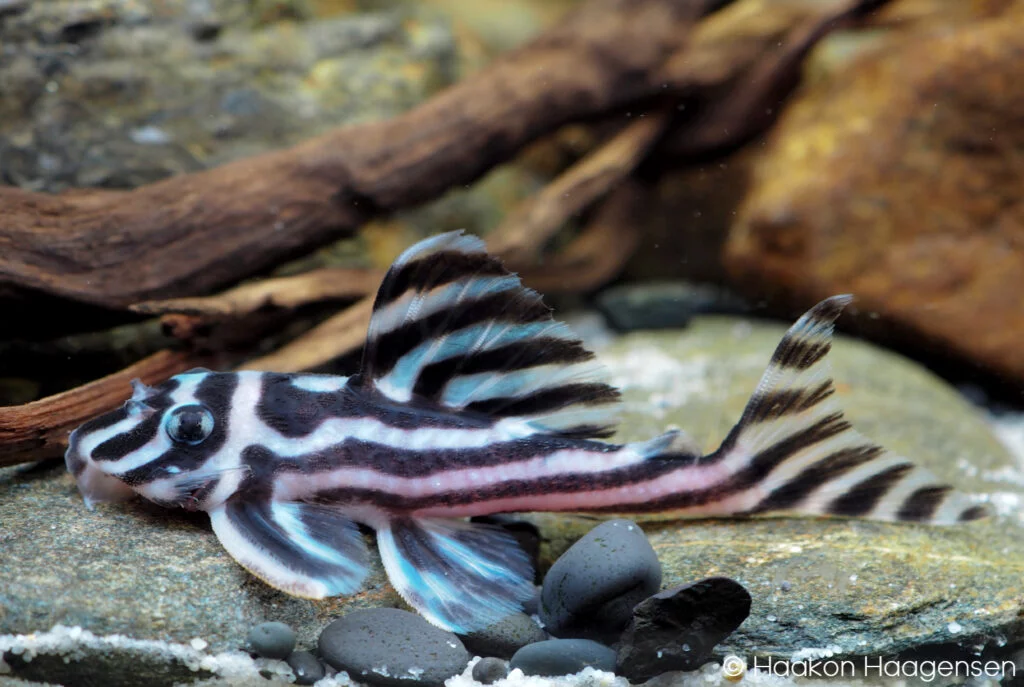
In the summer of 2025, a scientific paper was published on the topic of hybridization among Hypancistrus in Rio Xingu (Kerniske, F. F., Dalcin, R. H., Sousa, L. M., & Artoni, R. F.. (2025). The results indicate that H.seideli and H.yudja indeed mix and interbreed within a zone of the Volta Grande, the so-called “big bend” of the lower Xingu. In this zone, we know forms like L400 and L399 were collected in the past. These are forms which certainly share traits of both species, giving fishkeepers a hard time understanding what they’re looking at.
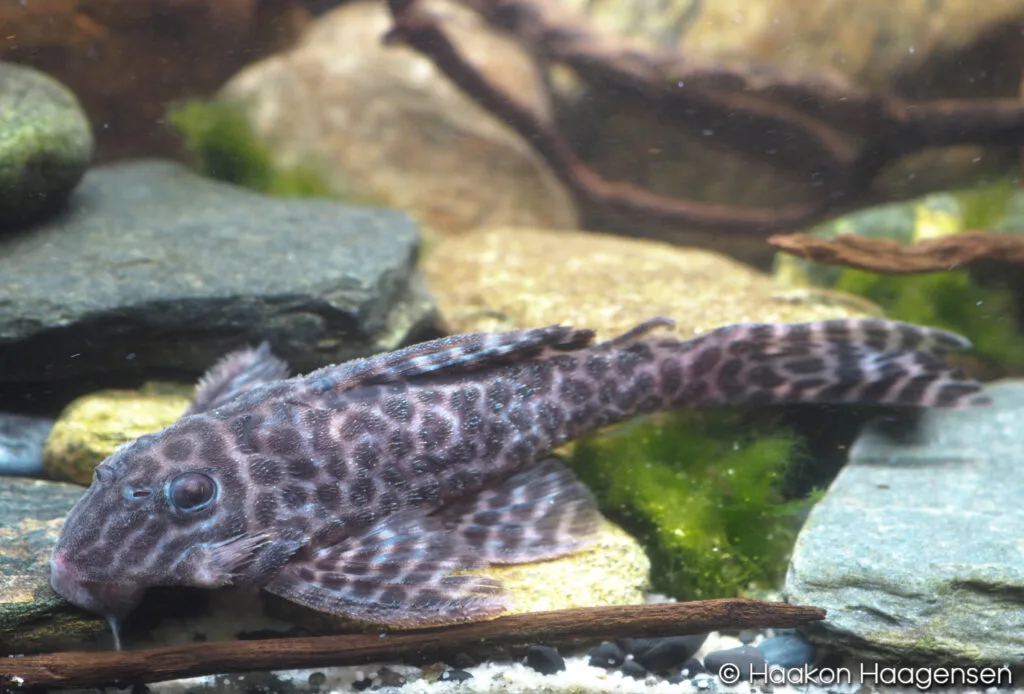
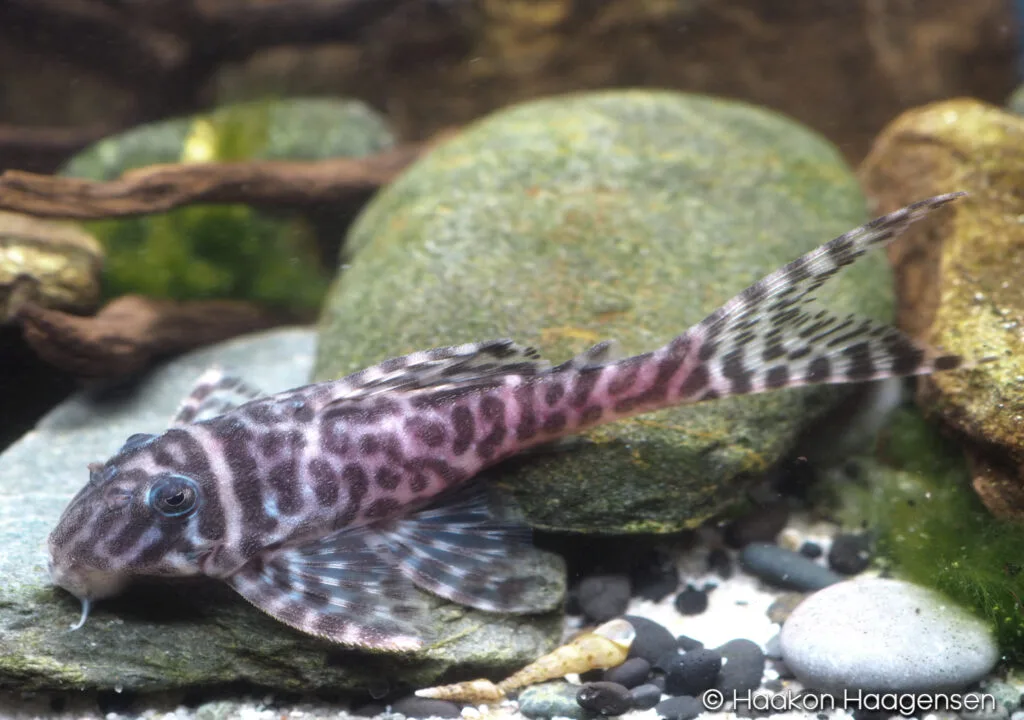
In 2013, I reached a personal milestone within the hobby: I presented my first L-number together with Daniel Konn-Vetterlein; L470. This was the number chosen for the fish previously known as H.sp.“Mimic”. The reason for the nickname, given by Janne Ekström in the mid-2000’s, was that this particular form was known to occur together with H.yudja in deeper sections of the river. Superficially, there’s a lot of resemblance: Small eyes and a mostly spotted pattern. The adult size of L470 is however much larger than H.yudja, and the body shape is more elongated. Images of this form were published on various websites in the early 2000’s, but always under a different name or label.
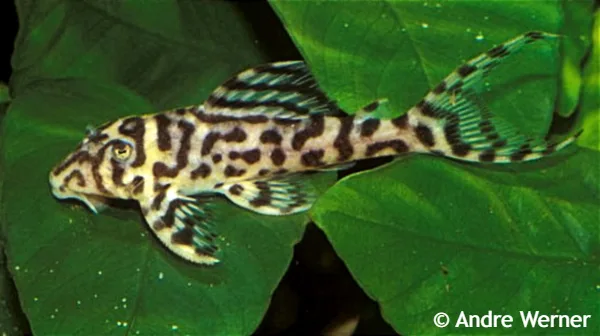
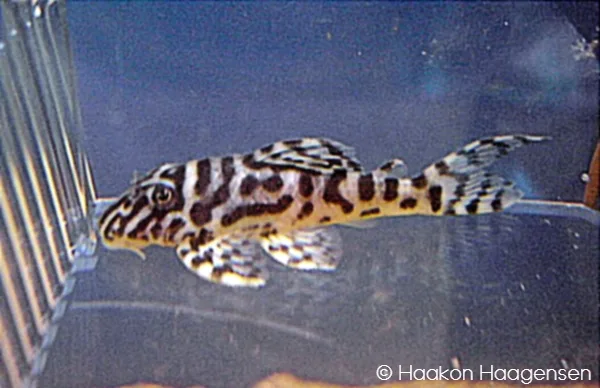
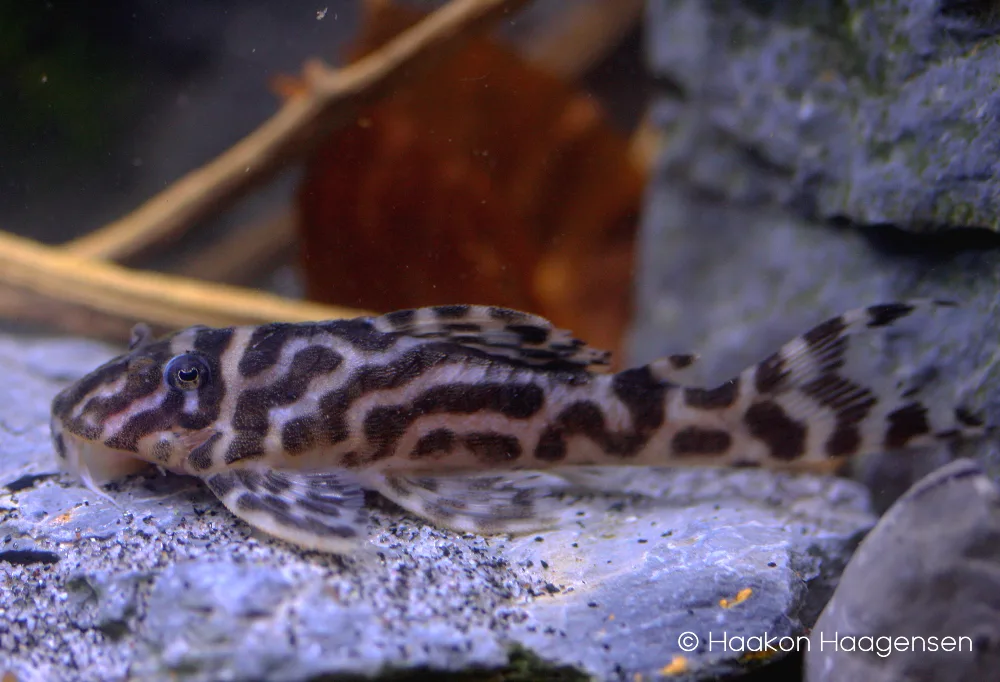
My first encounter with this form was through a single fish mixed in with H.yudja. This was at a time when wild collected H.yudja were still on the market. The single male fish was separated, and the hunt for a female began. Through our network, a female fish was sourced in Germany. It was owned by Torsten Schwede, who kindly let us bring the fish to Norway. Years passed, and the two fish spent their care in the safe tanks of Bergen-based breeder Lars Jamne (Aquafarmen). Eventually the pair finally spawned, and now in early 2026 we can finally present a few more details on what L470 appears to be.
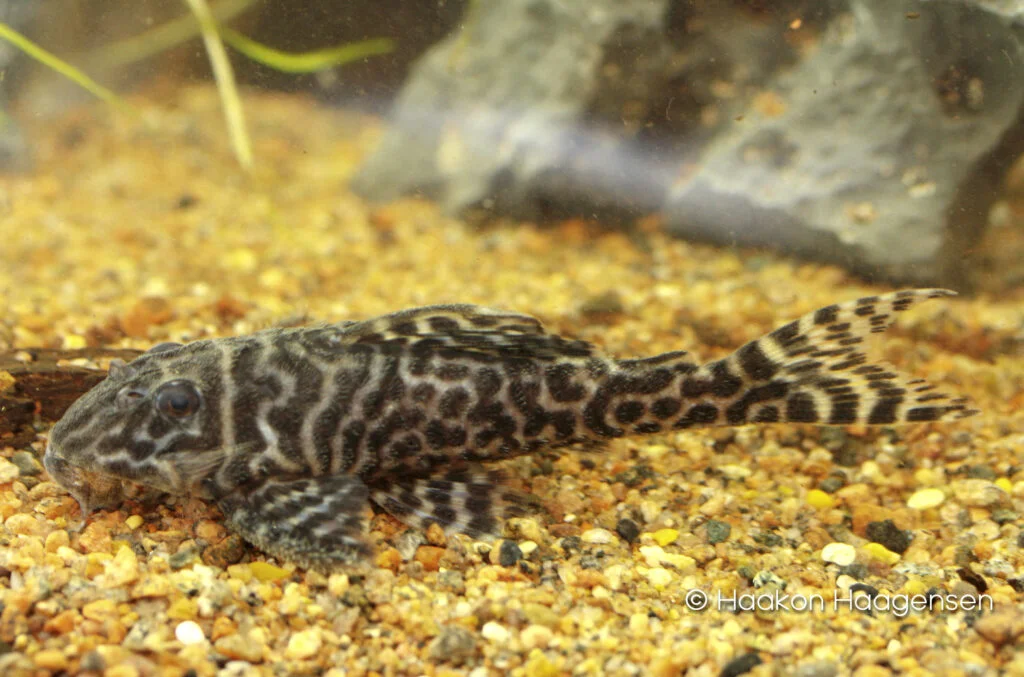
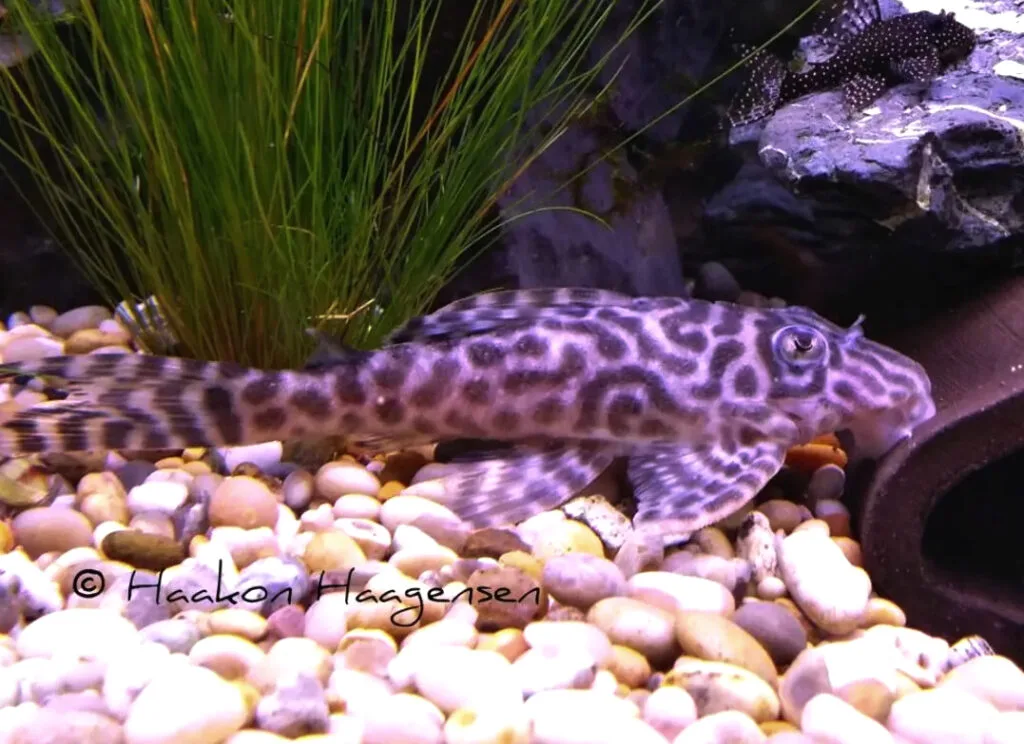
With the scientifical analysis indicating hybridization among the Xingu forms of Hypancistrus, it seems all the more likely that L470 is the result of crossbreeding between H.seideli and H.yudja. H.seideli is a species moving through various niches in the river, unlike the more stagnant H.yudja and H.zebra, which are found only on certain types of rock in the river. H.seideli will therefore probably encounter and breed with H.yudja in the latter’s ecological niche. The man-made changes to their natural environment (altering the river’s course, flow and depth, catching and releasing fish) will possibly increase the chances of this happening.
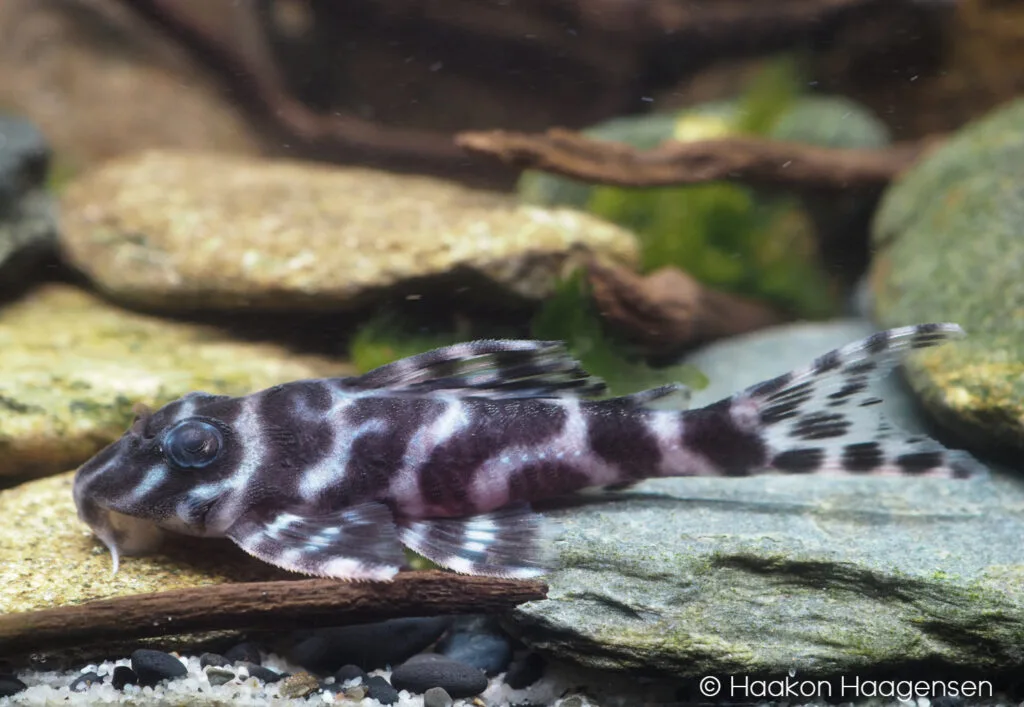
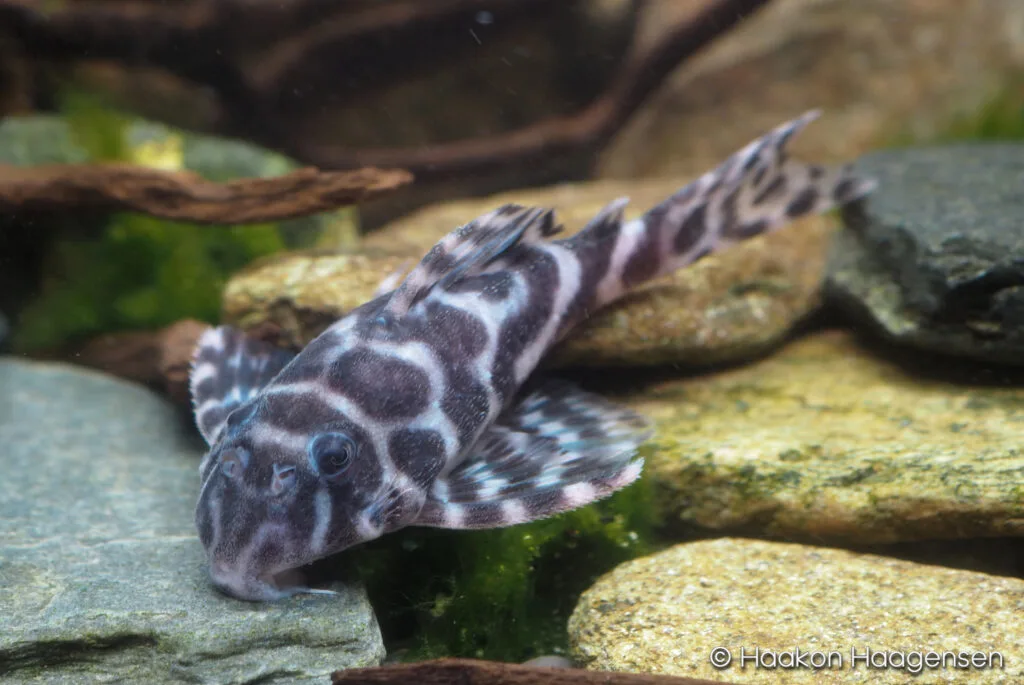
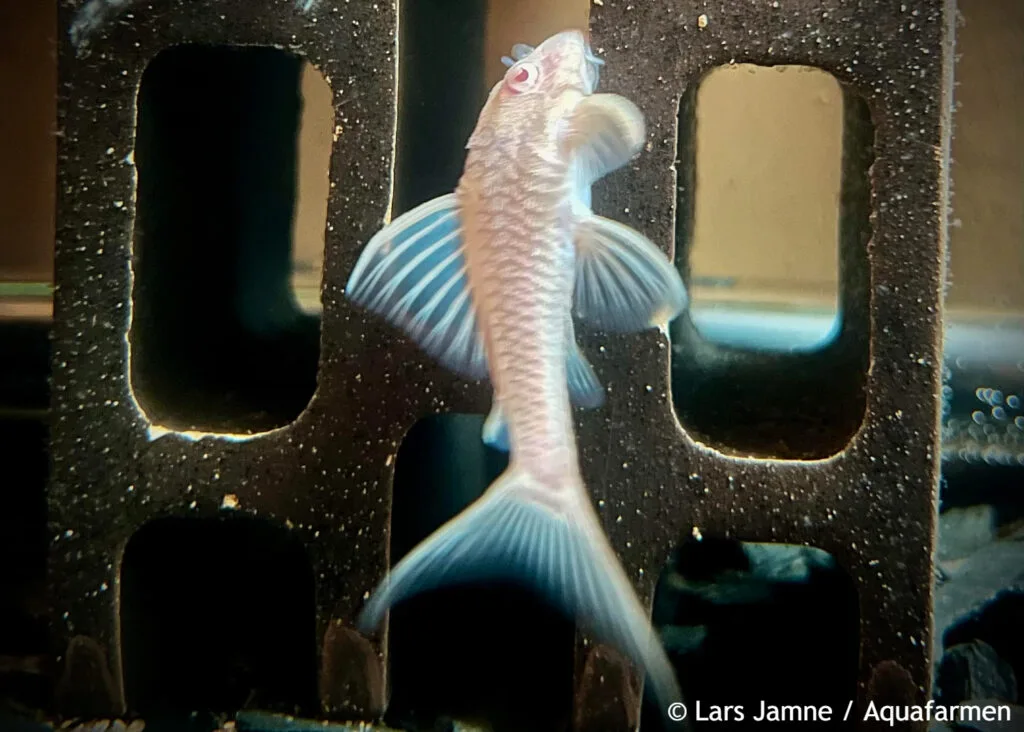
The L470 we have in our care now have bred by Lars Jamne for a few generations. As one would expect with fish of mixed DNA, they vary extremely in their appearance. Some, or most, have the traits we expect from L470 (small eyes, spotted pattern), but some individuals are very different and would easily be confused with some of the other L-numbers attached to H.seideli. This strengthens the theory that L470 is a crossbreed of H.yudja and H.seideli. What we of course can’t know is how far back this crossbreeding goes – it’s been going on for a very long time in the river, that’s for sure. With genes going back and forth between the described species for generations, the genetic diversity hidden within them will result in the aforementioned variation. Some of the individuals show a pattern closer to what we call L236 and L173, and there’s also variation in eye size. Even some albino individuals have occured.